Why Website Strategy Must Align with Company Culture to Build a Stronger Brand
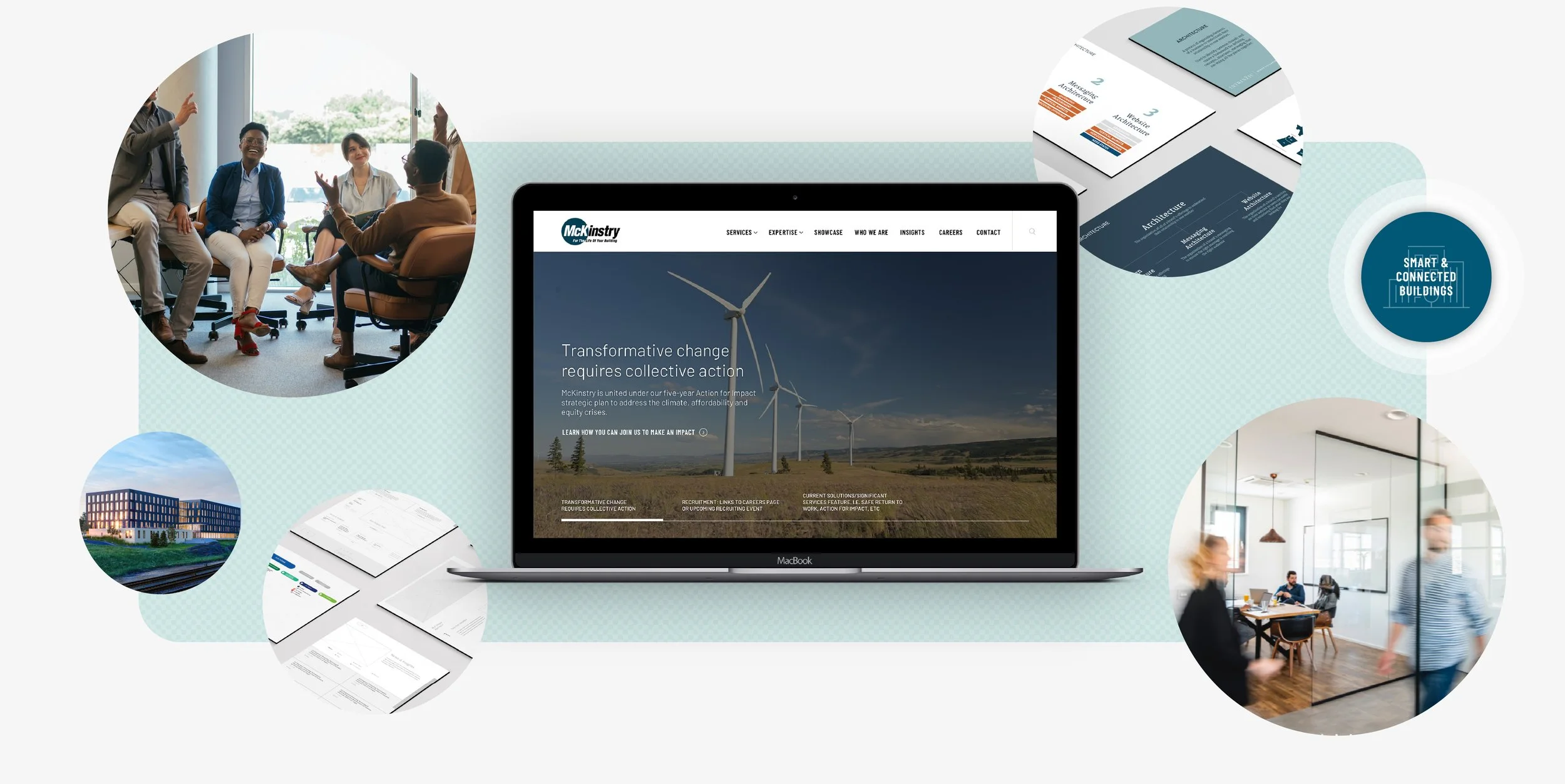
Your website is often the first and most influential expression of your brand. You likely put a lot of effort and consideration into how your brand’s website looks and functions, but it’s worth asking are you getting the most out of your website as a strategic business asset? A strong website strategy does more than organize pages or improve SEO — it communicates who you are, what you do, and why it matters. When your website aligns with your company culture, it becomes a powerful tool for clarity, credibility, and connection. Without that alignment, even the most visually appealing site can feel disconnected from the organization and the people it represents.
What Is Website Strategy — and Why It’s More Than Design
As one of the first impressions of your brand, your website has a big job to do. At Intrinzic, we approach website strategy the same way we do brand strategy: from the inside out. A successful website strategy is actually an exercise in strategic brand positioning and development. The inputs for all of these projects are the same: exploring existing commonalities among your organization, uncovering the unique shared beliefs and passions of your people and then translating these discoveries into communication points that make it clear to your audience who you are, what you do, why it matters and how these contribute to your organizational culture as well as your business goals.
Let’s make a clear distinction here between a visually-driven web design and a strategic web design: a visually-driven web design is the visual execution of your site that includes graphics, icons, photography, fonts, color palettes, and page templates. Essentially, it’s how your site looks when it’s viewed on the web. A strategic web design is built on a thorough understanding of your brand, including your business strategies, your people, your story and the value you bring to your market. Building a website strategy means building a framework that includes brand positioning, key messaging, UX designed for your core audiences and users, site structure, and website content.
Employing this strategic approach to website design ensures that your brand is telling the right story, in the most compelling way, to the audience you want to engage. It’s not enough to copy and paste a tagline into the main header of your homepage. Rather, you need to craft a website content strategy for your brand that will resonate with your target audiences and guide them to the information, pages, and actions you desire them to take.
The Missing Link: Company Culture in Website Strategy
Your company culture includes the values, behaviors, passions, and purpose held by everyone in your organization, from the boardroom to the breakroom. The most powerful thing about any company culture is that it already exists within the people of your organization. But it has to be collected and crafted into a vision that everyone can see themselves reflected in. Read more about how we do this successfully in our article: How to Build an Effective Corporate Culture.
Just as communicating your culture matters to your organization, it matters to your website strategy and plays an important role in your digital ecosystem. Building a culture-driven web design means that your website captures your brand’s story, aligns your team culture and ensures that the right messages resonate with your core audience.
Here are some examples of what happens when a brand’s culture and website are out of sync:
The website contains generic messaging
The user journeys are confusing or nonexistent
The site’s design doesn’t reflect the brand’s personality
The tone of voice is inconsistent
When you build a culture-driven web experience for your brand, your organization’s website becomes a catalyst for team alignment and business growth.
How Website Strategy Communicates Who You Are, What You Do, and Why It Matters
With so many brand interactions happening in digital spaces, your company’s website (and other digital media) has a very big job to do. It has to tell a user who you are, what you do, why you do it and who you do it for. It must appeal to customers, clients, employees and prospective hires. It must be easy to navigate, SEO-optimized, visually appealing, and the list goes on and on.
Whether you’re looking to make edits to an existing brand website or build a new one from scratch, all of these inputs and considerations make it a daunting process. So let’s break it down into smaller, strategic chunks. Here are some of the crucial brand elements your website strategy needs to incorporate:
Clarifying Who You Are (Brand Positioning)
Your brand’s mission, vision and narrative story should be clear to users from the moment they land on your website. A successful website strategy will include a thorough sitemap showing how all of these pieces of content will be accounted for, how they will nest together, and where a user might go to learn more about your organization.
Communicating What You Do (Clarity of Offerings)
Both in the hierarchy of information and in the depth and quality of content, users should have a clear understanding of your service architecture when moving throughout your website. Messaging hierarchy will communicate what is primary versus secondary to your organization and will serve to align a user’s journey throughout the site with the narrative you want them to take away. In other words, visually and verbally guiding users to the key information and action you want them to take as they explore your site.
Demonstrating Why It Matters (Value & Impact)
By including audience-focused messaging in your website content strategy, you ensure that all of your audiences’ needs and inquiries are met as they navigate through your website. This includes your external audiences like clients, customers, vendors, and partners as well as internal audiences like current and prospective employees. Having clear audience-focused messaging with proof points, outcomes, employee testimonials and case studies shows that you understand each audiences’ specific needs, goals, and challenges and that you are upfront about providing solutions and evidence of your company’s expertise. Delivering this information with a narrative, conversational style rather than a list of bullet points or simply-stated facts creates more emotional connection with your users. For prospective hires, weaving your company culture throughout your website content demonstrates how you care for your employees, support their goals, and provide growth and professional opportunities as careers progress. This expands the value and impact you provide beyond transactional services to show how you nurture your employees, both as individuals and as part of your team.
How to Align Your Website with Company Culture
Now that you have an understanding of how to build an impactful website strategy, let’s discuss what goes into the framework for a new website design. Here is what our team takes into account when building this strategic framework:
Clarify your brand strategy and positioning
Define cultural attributes and brand personality
Map company culture to align with messaging tone of voice and UX
Align visual identity with brand character
Build content that reinforces brand purpose and value
Once these pieces are collected, then you can build out a page-by-page sitemap that supports your brand narrative, messaging hierarchy, and desired user journeys.
At Intrinzic, we are well-versed in helping companies align their teams, culture, and growth goals. But as we’ve all likely experienced, sometimes the greatest challenge comes when applying your expertise to your own situation. This is exactly where we found ourselves when we began our own website redesign. The resulting swirl and feelings of misalignment shocked us—until we realized where we’d gone wrong and what we needed to do to get back on course. Read about our website transformation journey here.
The Business Impact of a Culture-Aligned Website Strategy
Building a culture-aligned website strategy can have a meaningful impact on your business’ goals and growth. As a representation of your people and your company values, a culture-aligned website helps improve internal alignment: becoming a point of pride for your teams and a source to rally behind. This signals externally to prospective hires and partners what matters to your organization and what it’s like to work with and for you. It’s a way to level-up your recruiting efforts by highlighting the values and characteristics of the types of people who thrive within your organization.
When your employees see themselves reflected in your company’s website—represented through photography, testimonials, the care and passion they put into their work every day—this becomes as a major motivational factor, boosting team productivity and quality. By outwardly celebrating your company’s culture, your teams feel seen, supported, and driven to deliver strong outcomes.
A culture-aligned website also translates externally to building long-term brand equity, stronger audience trust, and higher engagement. Implementing your brand positioning through your website strategy helps connect team values to business goals, becoming a catalyst for growth and directly impacting ROI.

After experiencing rapid firm growth in recent years, the team at Johnson Investment Counsel realized that their website no longer reflected their firm’s culture. They turned to their partners at Intrinzic to evaluate their website strategy and evolve it to better align with the new generation of their brand. Read about their experience here.
Final Thoughts: Your Website Is a Cultural Statement
Your brand’s website is so much more than just a marketing asset. It’s a living expression of your brand identity and your company culture. It’s a rally point for your teams: proudly showing who you are, what you value, and how you bring these into your work every day. Building credibility within your market and audiences doesn’t happen with a trendy color palette or the latest graphic animations. It happens through a focused, purposeful website strategy that aligns your internal culture with your external goals and capabilities. When your website captures who you are and why it matters, it sparks a movement among your audiences and your marketplace.

Does your current website do this for your brand? Learn more about our Web Strategy solutions or, if you’re ready to explore what your website can do for your brand and culture, get in touch with us.