Ignite the Power of Your Brand Messaging Strategy
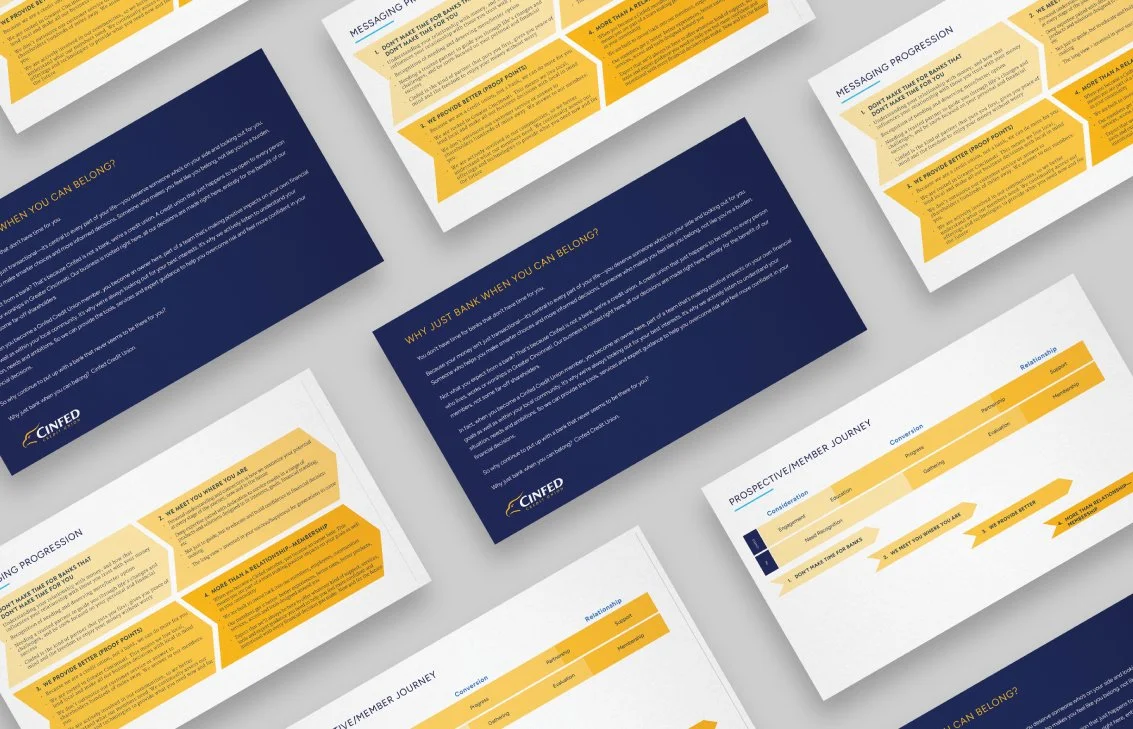
From our earliest days, we’re taught that our words matter: they carry the power to inspire, heal, confuse and even hurt. You can probably recall at least one moment when another individual’s words have motivated you, made you smile, or cast a seed of doubt.
From a business perspective, have you considered the equally impactful effect that your brand messaging has on your audiences? It’s true: a brand’s messaging strategy holds immense power and potential for how it creates meaning and builds alignment for both internal and external audiences. Building a comprehensive messaging strategy with messages targeted to employees, prospective hires, partners, customers, clients and more ensures that your business is delivering relevant messages at critical moments through the most effective channels.
Creating this highly effective and compelling brand messaging strategy requires a multi-faceted framework, one that draws from strategic foundational brand development and brand identity work.
Without this framework in place, brands risk a messaging strategy that adds to the marketing noise instead of breaking through it.

These foundational elements are where our team begins every brand development, web strategy, messaging strategy and integrated marketing project we undertake at Intrinzic. Our narrative-led process is designed to build a brand foundation tied to your people and their collective passions, goals, and values, then translate these into external elements that are designed to deeply resonate with your target audiences.
Let’s look at a few of the brand foundation elements that contribute to building a highly effective brand messaging strategy.

Core Values that actually capture who your people are and what matters to them.
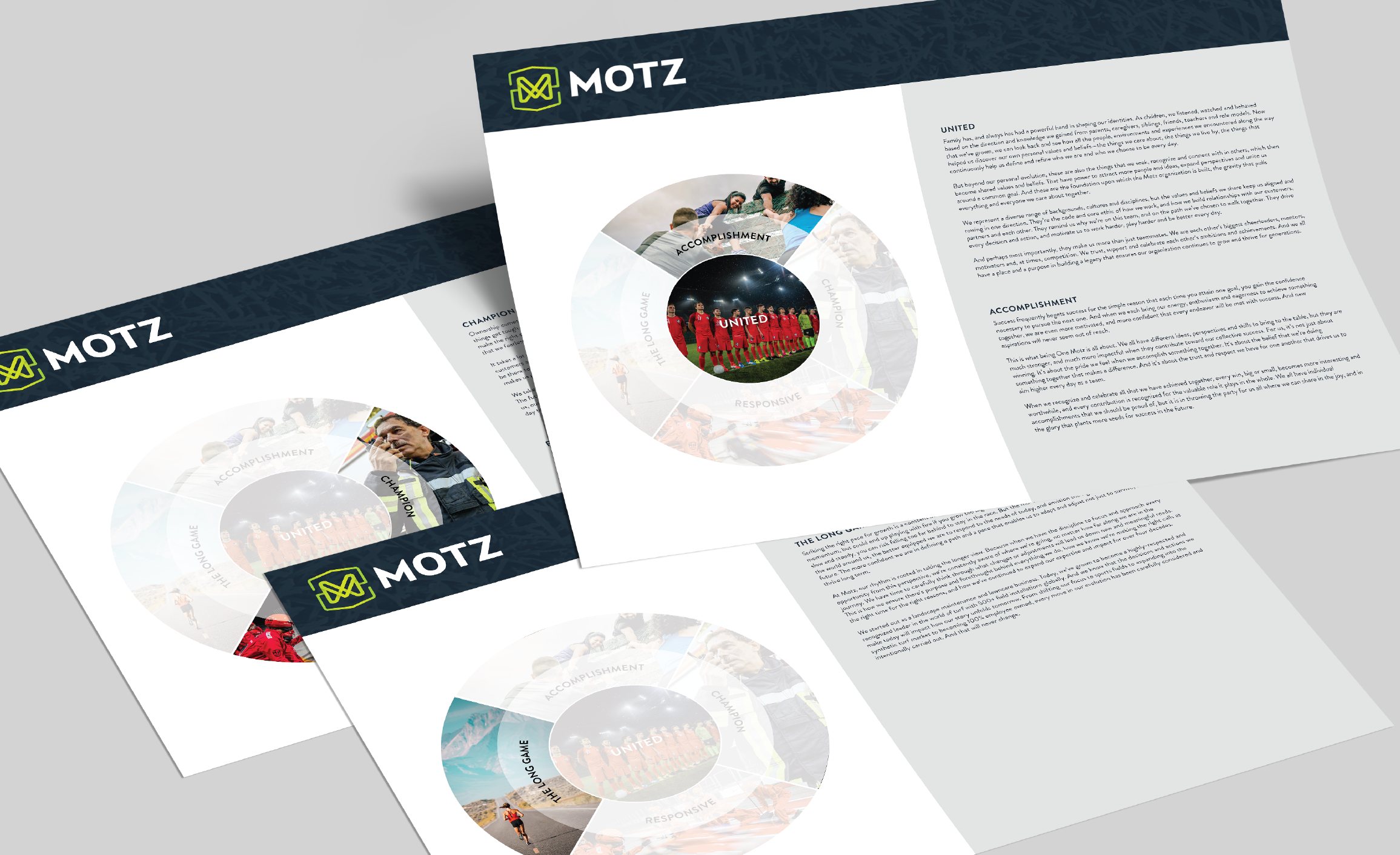
It may seem like a good idea to jot down a handful of core values that most people would agree are good values. But rather than handing down a list of arbitrary words, your brand’s core values should come from its people and your existing company culture. Uncovering the shared passions, values and challenges of your people shows that your organization doesn’t just acknowledge them but respects the individuals who show up every day and put their all into their work.

A Brand Story that blends past accomplishments with future goals.
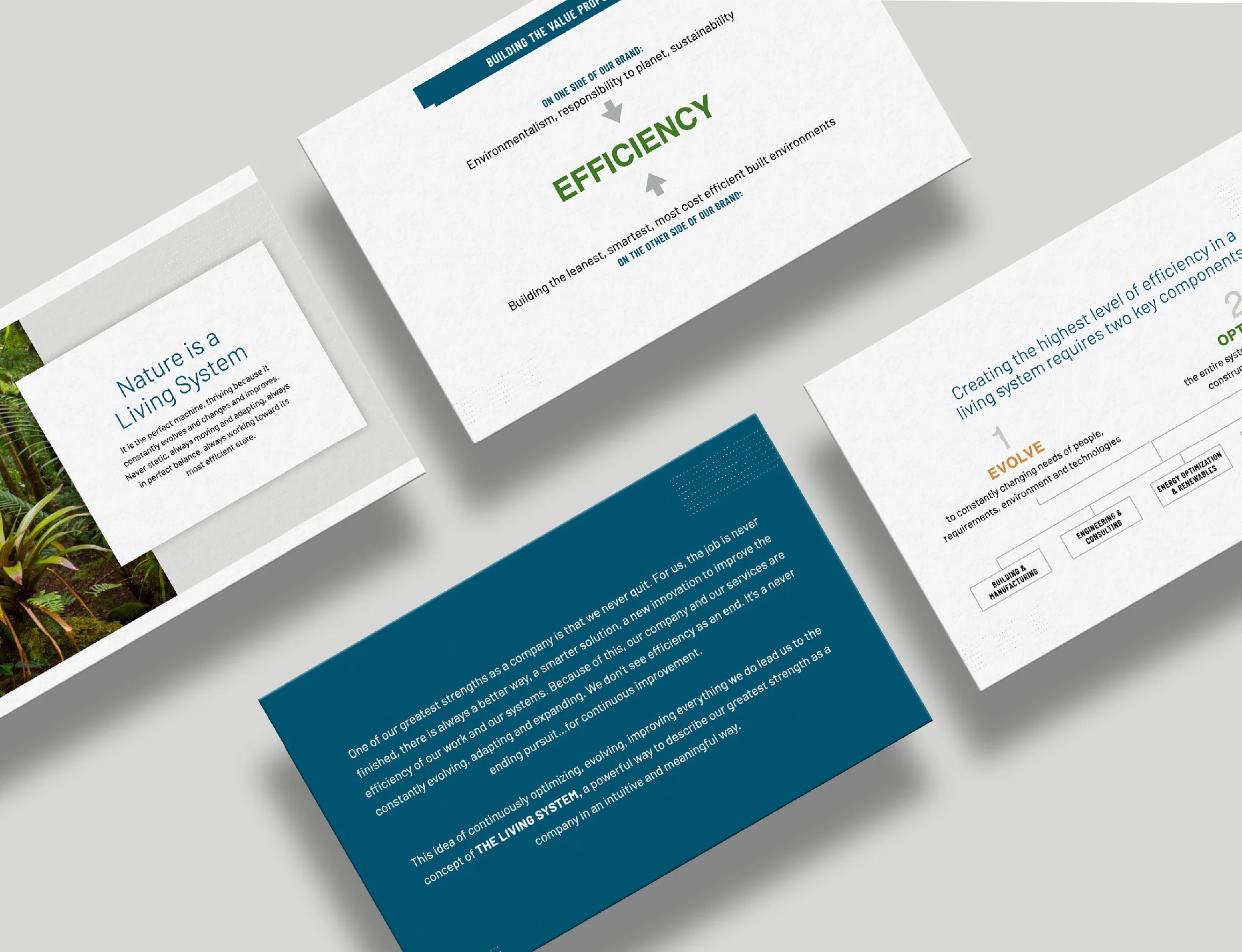
Many times, we see organizations that want to move forward but are stuck clinging to a familiar past. This is where a brand story adds a lot of value, allowing you to pay homage to the brand’s history, acknowledging key moments and milestones of the past and shaping how the organization has gotten to where it is today. A brand story also provides the space to share goals and hopes for what the brand’s future will hold.

An Actionable Brand Mission and Vision.
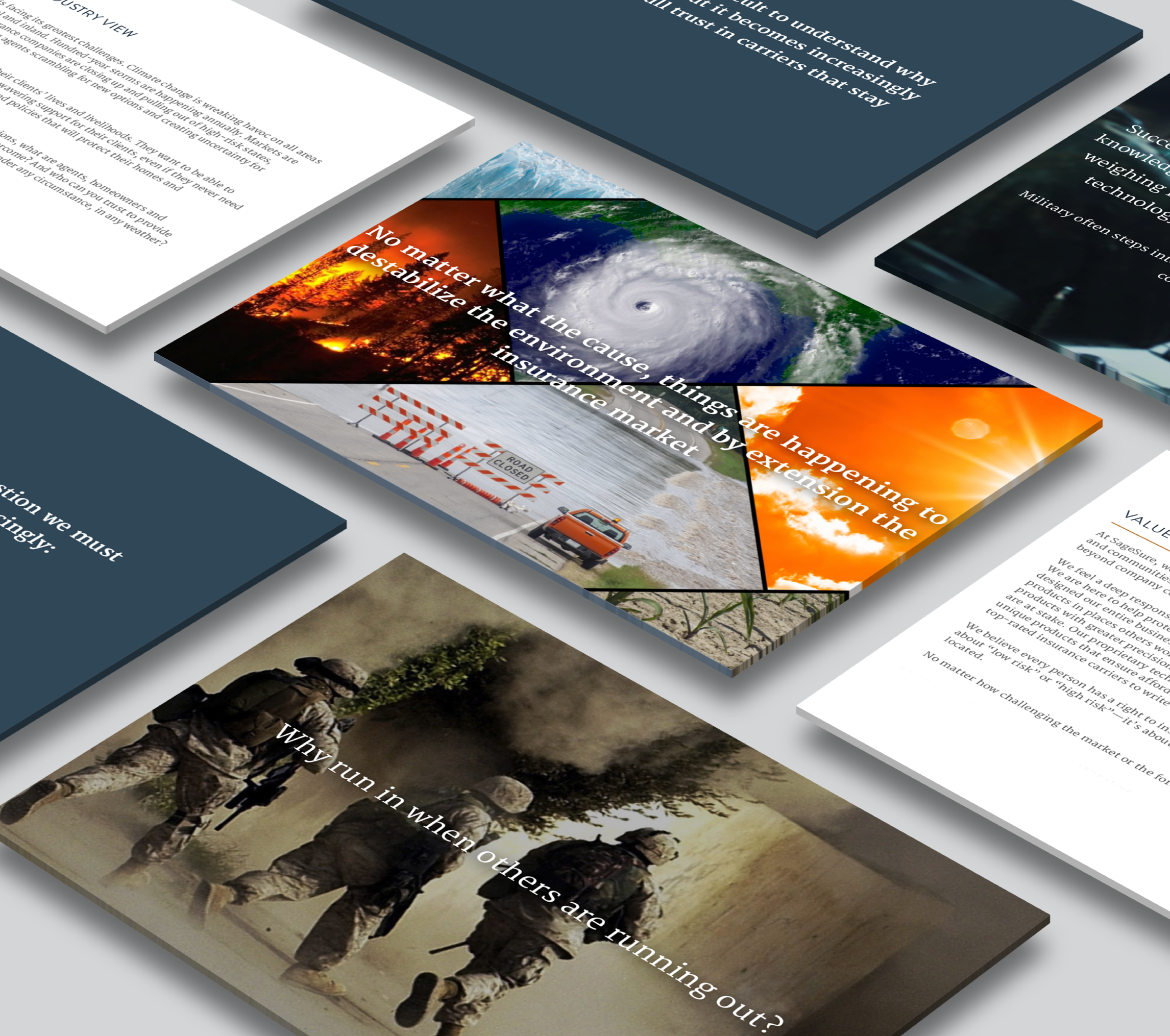
Another element to include in the brand messaging framework is your brand’s Mission and Vision. Simply put, record your brand’s purpose or why your business exists, what goals you’ll strive to achieve over the next several years, and the measurable steps you’ll take to achieve them.

Brand Positioning that sets you apart.
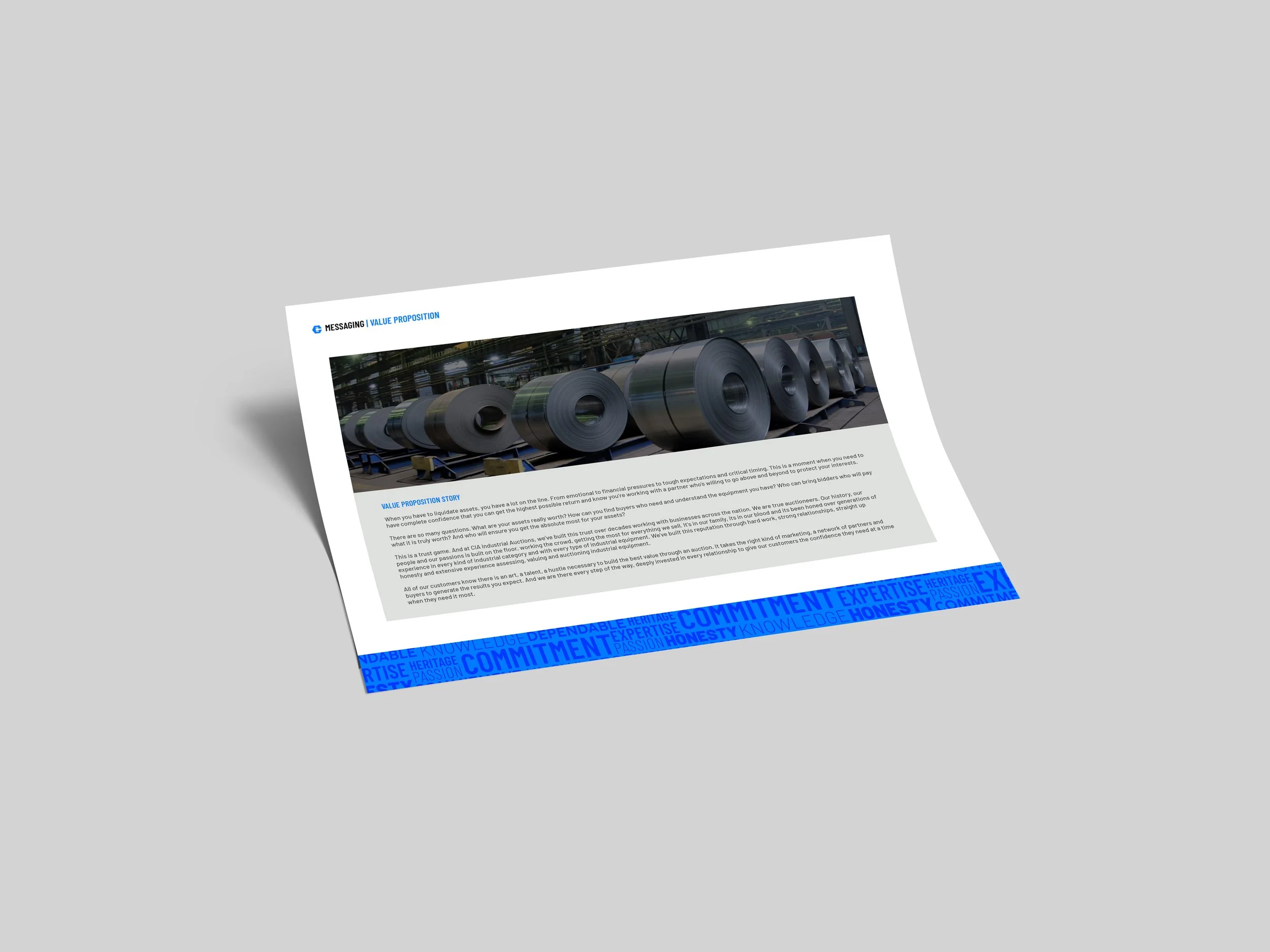
Establishing how your brand relates to the marketplace allows you to address your competitive set while focusing on what it is your company does best or which services make your business worth doing business with.

Messaging built around every audience.
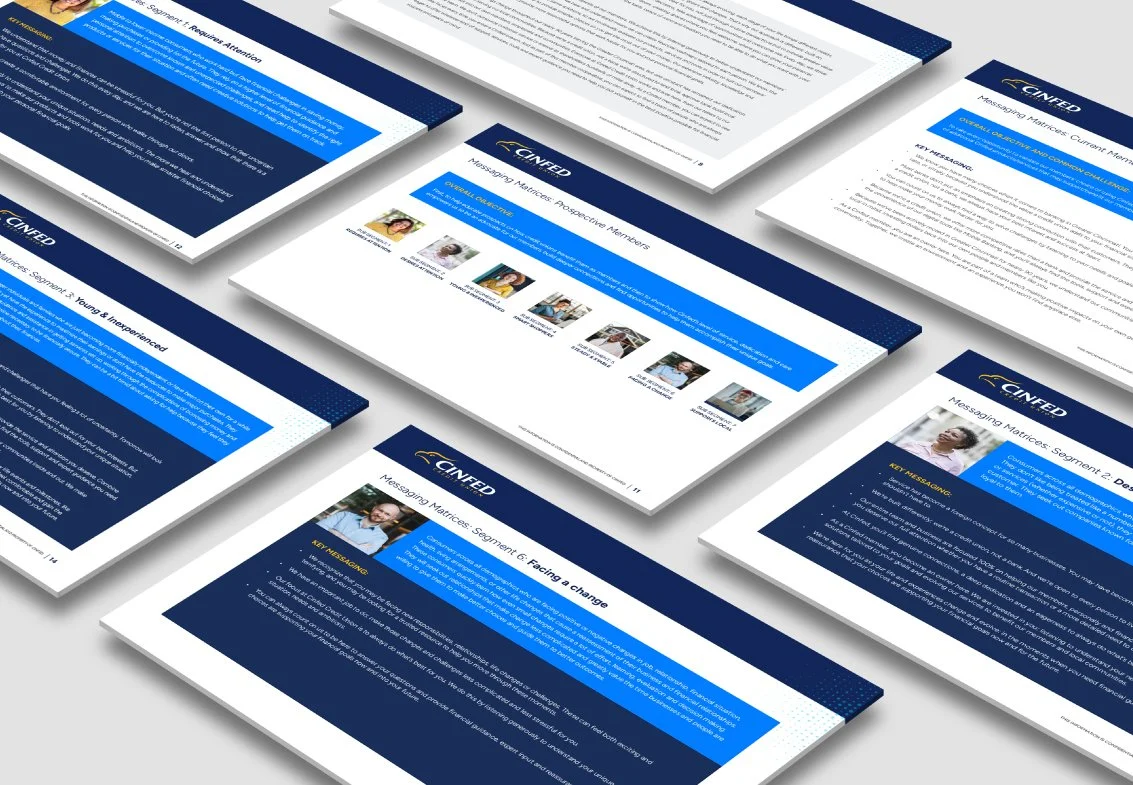
Whether you’re talking to internal audiences like current employees and prospective hires, or external audiences like partners, vendors and customers, it’s crucial that you use language that shows how your brand relates to their preferences and needs. Targeted, audience-specific messaging ensures you’ve got something to say that they’ll want to hear.

See how we’ve used foundational brand elements like these to build strategic brand messaging for our clients.