Brand Narrative and Value Proposition: The Two Tools Behind Strong Brand Positioning
When it comes to developing highly effective brand positioning and messaging, there are two tools that our team employs: Brand Narrative and Value Proposition. While many brands are familiar with both, they do play different roles and serve different purposes when it comes to brand awareness and messaging strategy development. When crafted well and implemented effectively, both Brand Narrative and Value Proposition can have an incredible impact on your brand’s positioning and performance internally as well as externally.
The role of Brand Narrative
Let’s start with Brand Narrative. A brand narrative or brand story can be a very powerful rally cry for your organization. When a Brand Narrative is built from the existing passions and aspirations of the people within your organization, it becomes a critical tool for aligning everyone, at every level, around these common interests. When your people see themselves at the core of the story, reflected in its words, it serves to instill pride and inspire action toward a collective goal. It becomes a symbol for your corporate culture, and it can change the perception of what your organization believes they are capable of. Think of your brand narrative as your internal brand positioning tool: how your brand is built from and aligns to the needs and values of your people. Read more about brand narrative as part of our messaging strategy process here.
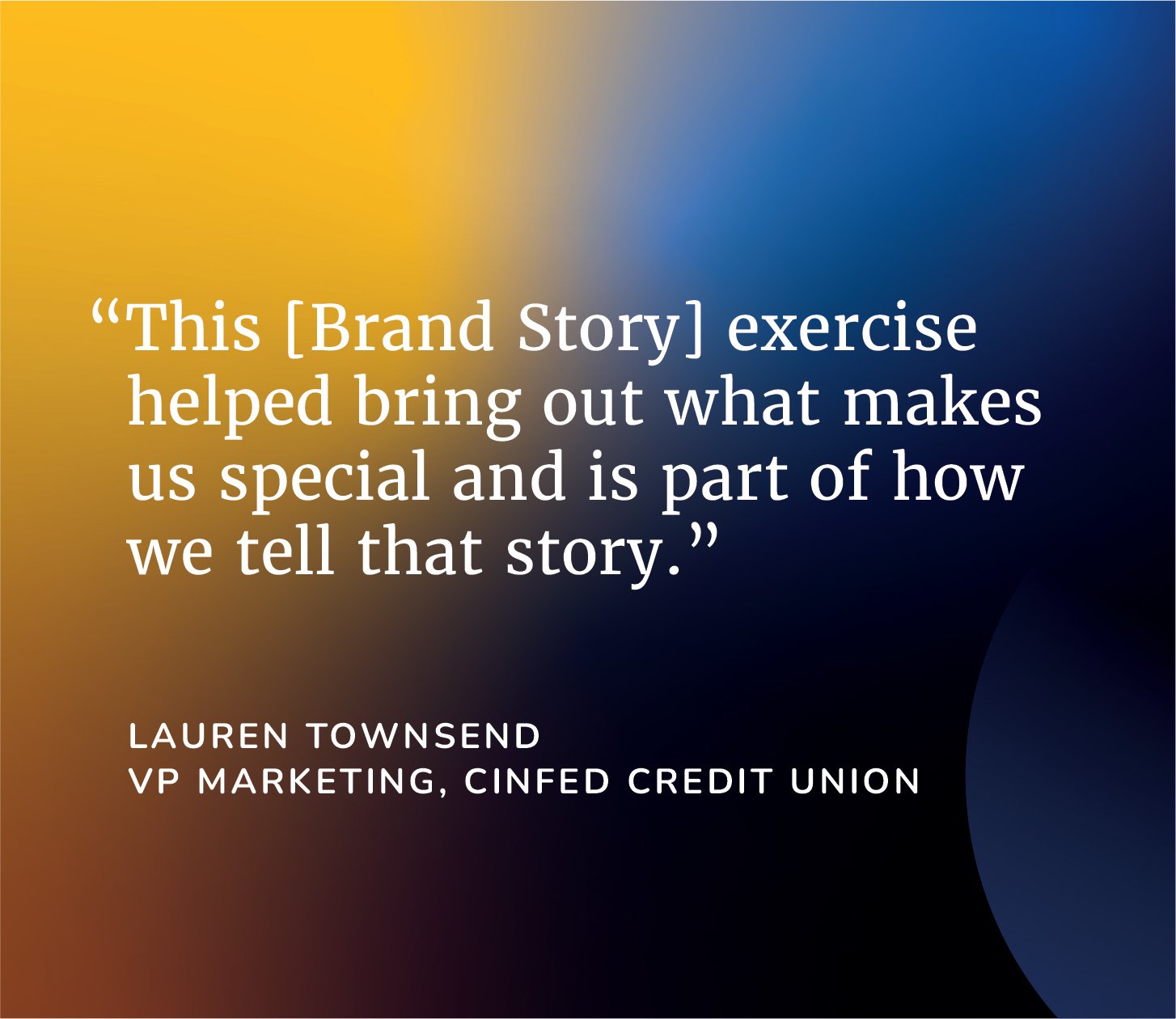
When a brand narrative is built from an organization’s people, it naturally draws them together. Developing a unified brand story was one of the main, and most impactful, deliverables in the brand messaging work we did for Cinfed Credit Union. Hear as Lauren Townsend, VP Marketing, shares more about this experience:
The role of Value Proposition
The most recognizable tool for brand positioning is a value proposition. While a simple internet search will pull up endless fill-in-the-blank templates for creating a value proposition, what this Mad Lib-approach lacks is how a truly effective value proposition is influenced by your brand’s mission, values and strategic brand messaging. Crafting a simplified sentence to express your brand positioning lacks is the deep insight and driving purpose that your value proposition plays in setting your brand up for success.
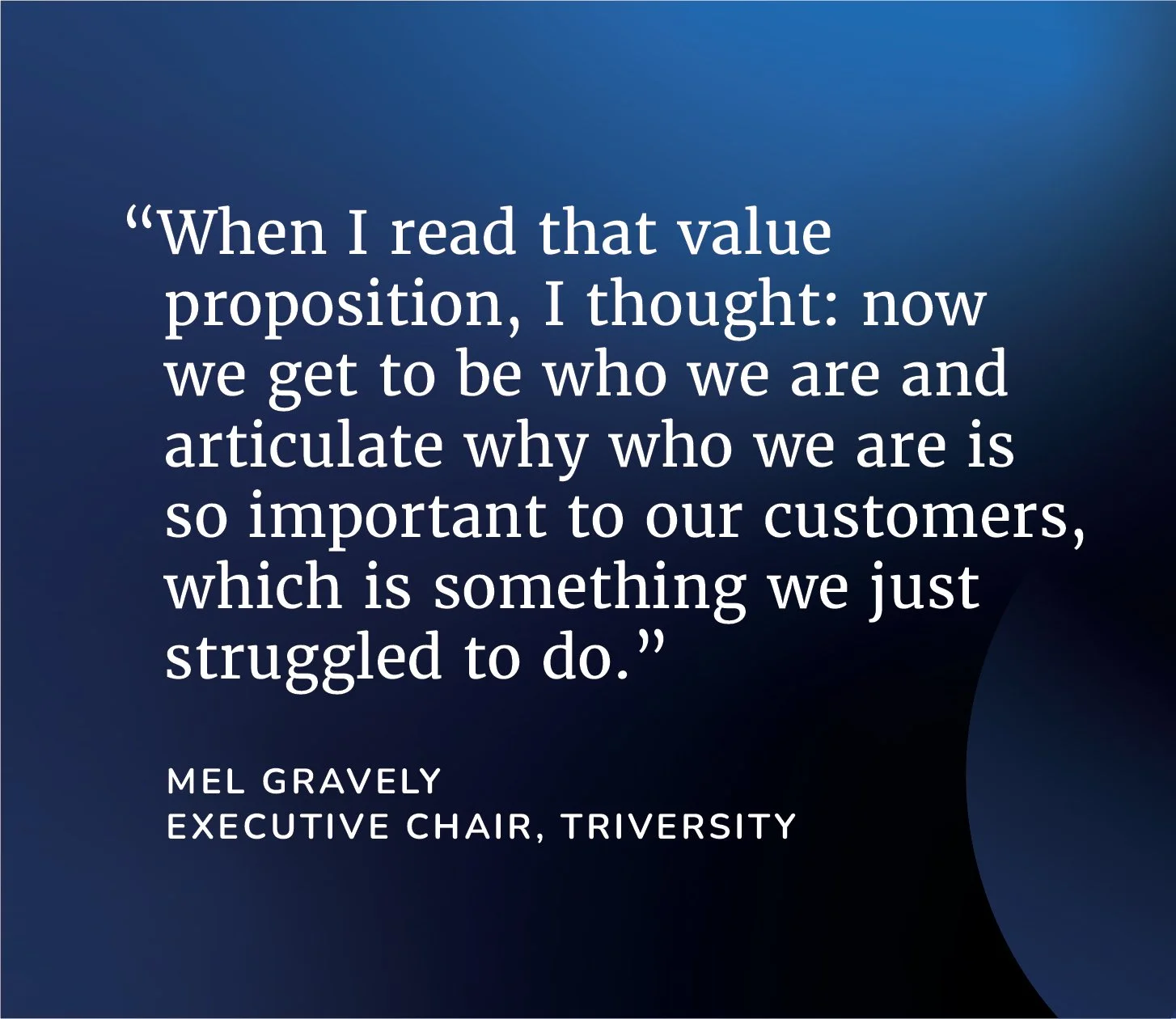
A Value Proposition has a unique duality to it: as a pivotal tool to align the internal passions and strengths of your people with the external needs and values of the marketplace. It’s an effective way to translate your brand cultural in ways that resonate with key audiences and differentiate your brand among your competitive set.
At Intrinzic, our process for developing a value proposition takes all of these inputs and insights into account. We start with the brand’s core challenge, build in the common beliefs and passions of its people, then overlay the needs of the marketplace in order to build a cohesive and compelling brand positioning story. This layered value proposition becomes part of the brand’s strategic foundation that will influence targeted audience messaging.
Creating more effective brand messaging
Whether you choose to employ just one of these brand messaging elements or both, it’s crucial to consider the role they play in as an effective brand positioning tool. Capturing who you are, what matters to your people, and how these values align with the needs of the marketplace will set you up for brand positioning success.