Why a Rebrand Doesn’t Automatically Improve Brand Performance
If your business has recently gone through a rebrand, or if you are considering a business rebrand in the near future, ask yourself this crucial question:
Is your brand generating growth and enhancing your business’s performance, or is it simply a visual representation of your business name?
If your motivation for a rebrand is to boost performance, you’re going at it all wrong. A rebrand is not a growth strategy; it’s a strategic expression of growth, the visible result of an effective strategic framework that includes brand positioning, architecture, messaging, customer experiences, and more. Improving brand performance starts on the inside: assessing your brand’s value proposition, organizational alignment, customer experience, and market relevance.
How Brand Assets Drive—or Detract From—Brand Performance
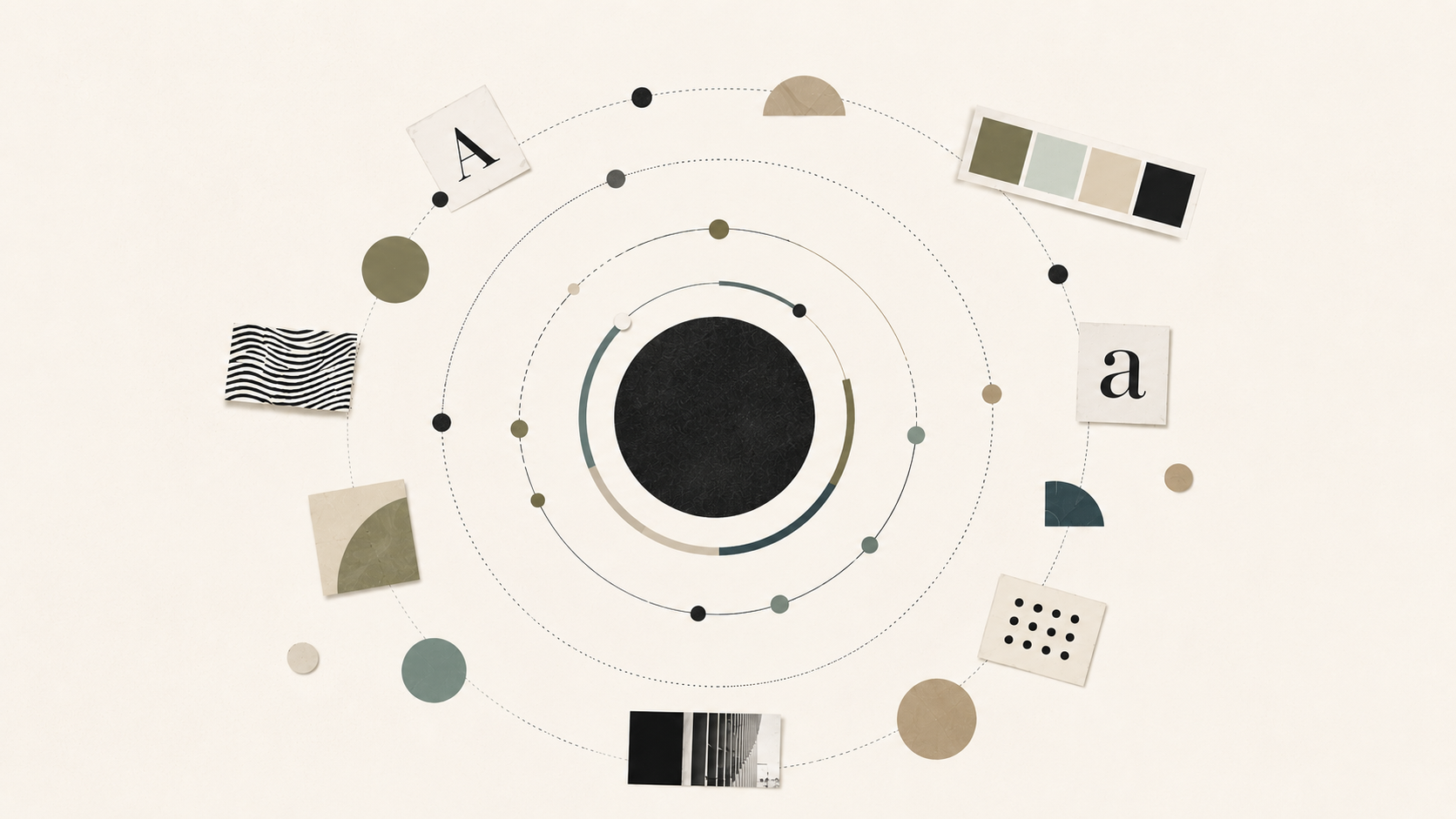
Much like the experience of looking in your closet and believing you have nothing to wear, it’s easy to look at your brand toolbox and believe that a whole new design is needed to propel your business forward. The reality is that it’s very likely that you don’t need a whole new brand: you need to think differently about your existing brand.
A brand’s assets and identity hold an incredible power. They reflect who the organization is, align the organization around shared passions and purpose, and symbolize how the brand values are represented to internal and external audiences. If a brand’s assets are simply existing, then the brand will never be a driver of performance and growth.
Through assessing, aligning, and expanding existing brand assets, you can build a stronger, more meaningful brand that connects more effectively to your people, your target audiences, and your market
But how can this be accomplished? The challenge is to identify what’s actually limiting your brand’s performance. Once the holes are clear, they can be addressed.
Let’s look at a few of the most common brand performance challenges, and what can be done to correct them.
4 Challenges That Limit Brand Performance
Challenge #1: The Value Proposition is Unclear
Brand positioning is a core driver of brand performance.
When your value proposition is unclear or generic, filled with promises or benefits you think the market wants to hear, you are weakening your brand.
How To Address It: Refresh the Brand Messaging
To craft a more compelling and unique value proposition, start by asking what makes your organization unique. Go beyond the products or services you offer:
What passions and purpose drive your people?
What makes the experience of your brand unique?
How are you differentiated from your competitive set?
Why should customers choose to work with you? (the answer cannot be lower prices!)
Challenge #2: The Organization Lacks a Clear Strategic Direction
A lack of alignment creates a lack of direction.
When organizations get out of alignment, teams and the work become fragmented. This lack of clarity leads to:
Internal confusion
Decision paralysis
Constant revision
Siloed teams
Low employee engagement
How To Address It: Align Leadership Around a Strong Brand Strategy
Building a strong internal brand strategy that includes strategic priorities, value proposition, key messaging and customer outcomes connects internal company culture to external goals and outcomes. Aligned brands are empowered brands, working together toward a clearly identified benchmark.
Read Now: Out of Sync: The Internal Consequences of Brand Misalignment
Challenge #3: The Brand is Fragmented and Inconsistent
Consistency builds trust faster than frequent reinvention.
Brands in a state of constant visual turnover or brands that lack any kind of consistency are brands that get passed over by the market. Even the most loyal customers can’t keep up and stay engaged when they aren’t sure what version of the brand will show up that day.
How To Address It: Conduct an Audit of Your Brand, Inside and Out
This audit should be both visual and verbal. Consider how your brand’s graphic tools are being utilized, as well as the messages you deliver to employees, prospective hires, current customers and prospective customers.
How does the brand speak to your employees?
How do your employees speak about the brand?
How does your brand speak to its customers?
What experiences do customers have with your brand?
How does your brand show up across digital, print, and other media?
Are you telling a consistent story across each channel?
Once you’ve collected your answers, look for outages, common threads, and opportunities. Then build greater consistency through messaging, experiences, and your channel strategy.
Read Now: Why a Narrative-Led Messaging Framework Creates More Meaningful Connections
Challenge #4: The Brand’s Assets are Not Distinctive
Find the balance between blending in and standing out.
Most industries have common assets. For some, it’s a graphic style. For others, it’s color. Brand performance and awareness suffer when most of an industry adopts the same kinds of assets, for the sake of sameness. The flip side is that different for the sake of being different might only serve to make your brand an outlier—something no one can relate to or understand.
How To Address It: Be Rememberable for the Right Reasons
It’s not just about building a brand toolbox that stands out, it’s about building a toolbox that accurately captures what matters to your organization: one with distinctive assets that set your values, promise, and experiences apart in the minds of both employees and customers. This can often be accomplished by refreshing your existing toolbox: building purpose and meaning into what you’ve got rather than scrapping it all and starting over.
Rebrands Don’t Replace Strategy. They Are the Visible Result of It.
Your brand can be a powerful catalyst for ROI, but only if it moves beyond functioning as a visual identity only.
Whether you’ve recently rebranded, or are considering investing in a rebrand, first consider how your current brand assets are working for your business. Perhaps instead of a whole new brand, you just need to breathe new meaning and messaging into your current toolbox.

Evaluate where your brand currently stands in its journey from visual expression to growth generator with our Brand Impact Index.